

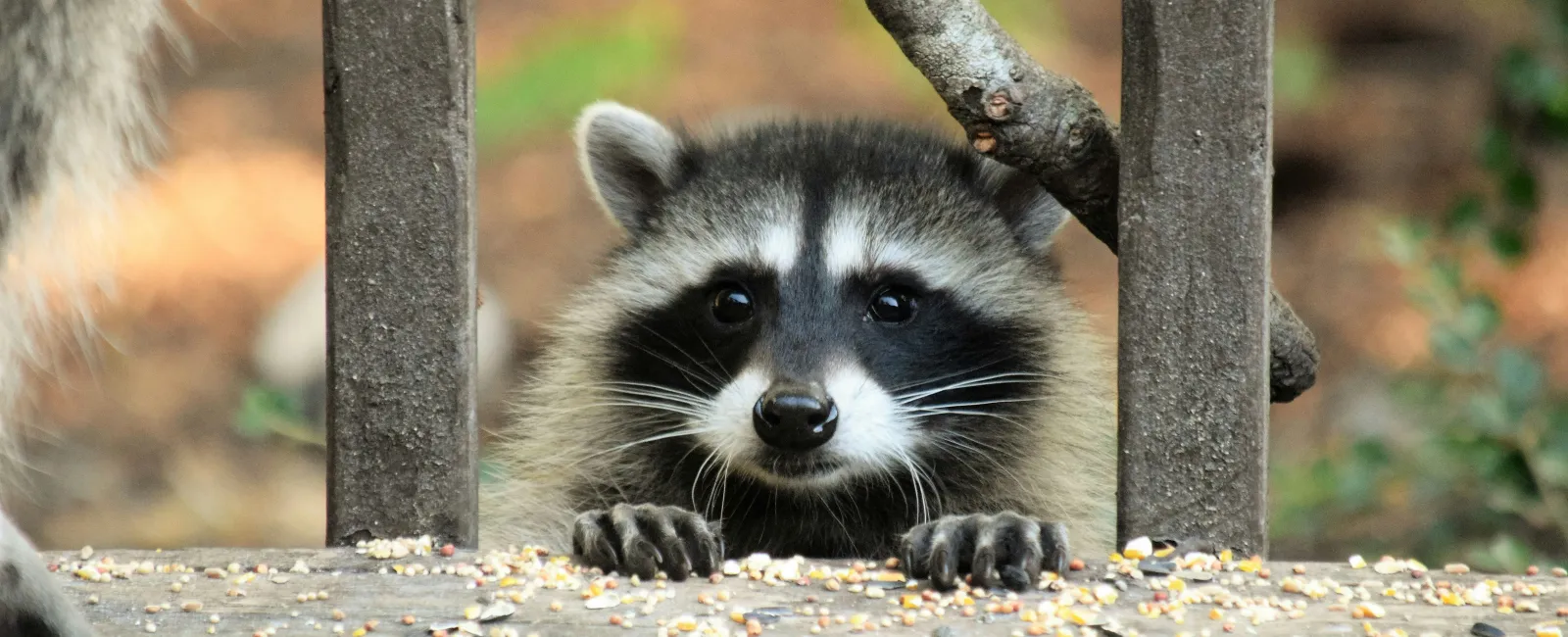
Hearing scratching, thumping, or movement in your attic at night? There's a good chance raccoons have moved in. These smart, adaptable animals are experts at finding entry points and turning your attic into a nesting space.
If you're trying to figure out how to get rid of raccoons in the attic, it's important to act quickly, but carefully. Removing raccoons the wrong way can lead to bigger problems, including trapped animals, lingering odors, and structural damage.
In this guide, we'll walk you through everything you need to know…
Why Raccoons Choose Your Attic
Raccoons are constantly searching for shelter that is warm, dark, and protected. Your attic checks all those boxes.
These critters typically gain access by:
- Climbing tree branches that hang over your roof
- Pulling apart weak spots near vents
- Entering through uncapped chimney openings
- Exploiting small holes and turning them into larger entry points
Once inside, a mother raccoon will build a nest and use your home as her base for several weeks.
Signs You Have Raccoons in the Attic
Raccoons are nocturnal animals, so you'll usually hear them at night when the house is quiet.
Look for these signs:
- Loud noises in the attic (thumping, scratching, or movement)
- Strong odors from feces or a latrine area
- Visible damage to insulation
- Droppings or staining near entry points
- Holes in the roof or near the chimney
- You may hear baby raccoons chirping or whining
If you consistently hear activity above your ceiling, you should investigate.
4 Reasons Raccoons Are a Serious Problem
1. Structural Damage
Raccoons tear apart insulation, chew wood, and enlarge holes to move in and out of your attic. Over time, this damage can weaken your home.
2. Contamination & Odors
Raccoons create latrine areas where they leave their feces and urine. This can lead to:
- Strong, persistent odors
- Mold growth
- Air quality issues inside your home
3. Health Risks
Raccoons can carry rabies and other diseases that affect humans and pets. Their droppings can also contain harmful bacteria.
4. Aggressive Behavior
A mama raccoon protecting her babies can become aggressive if threatened, making DIY removal dangerous.
How to Get Rid of Raccoons in the Attic
Step 1: Locate the Entry Point
Before you can remove raccoons, you need to figure out how they're getting in.
Check:
- Roof vents
- Chimney openings
- Eaves and soffits
- Areas near tree branches
If you think you're dealing with a raccoon infestation, do NOT seal the entry point. If raccoons are still inside, sealing it could trap them in your attic.
Step 2: Identify If Babies Are Present
During spring, there's a high chance you're dealing with a mama raccoon and her babies.
Signs include:
- High-pitched chirping sounds
- Increased activity at night
- A single adult coming and going
If babies are present, removal must be handled carefully. Separating a mother from her babies can lead to:
- Dead animals in your attic
- Strong odors
- Ongoing wildlife issues
Step 3: Use Deterrents
Some homeowners try to scare raccoons away by using deterrents like:
- Bright lights or motion-activated lights
- Loud noises
- Strong smells like ammonia or mothballs
- Natural repellents like cayenne pepper or predator urine
These methods may encourage raccoons to leave temporarily, but they rarely solve the problem completely, especially if a nest is already established.
Step 4: Remove Outdoor Attractants
Your yard may be attracting raccoons unintentionally. Be sure to:
- Secure trash cans tightly
- Remove or limit bird feeders
- Bring pet food indoors at night
- Clean up fallen fruit or food sources
This helps prevent new raccoons from targeting your property.
Step 5: Humane Trapping and Removal
The most reliable way to remove raccoons is through humane trapping.
When a raccoon is trapped properly:
- It can be safely relocated
- The removal process avoids harm to the animal
- The situation is resolved quickly
Trapping must be done carefully, especially when baby raccoons are involved.
Step 6: Seal and Repair Your Home
Once the raccoons are completely removed, it's critical to seal all entry points.
This includes:
- Repairing holes in the roof
- Installing chimney caps
- Reinforcing vents and weak areas
- Securing access points with durable materials
Skipping this step almost guarantees raccoons will return.
Common Mistakes Homeowners Make
Trying to get rid of raccoons on your own can lead to bigger problems, especially if you've never been trained.
Avoid these mistakes:
- Sealing entry points too early
- Ignoring baby raccoons
- Relying only on deterrents
- Waiting too long to act
- Attempting removal without proper equipment
Raccoons are smart and persistent. They'll often come back if the root issue isn't solved.
How to Prevent Raccoons from Coming Back
After removal, prevention is key to protecting your home.
- Trim tree branches away from your roof
- Keep your yard clean and secure
- Inspect your home regularly for new holes
- Install protective barriers on vents and chimneys
- Avoid leaving food sources outside
Consistent maintenance goes a long way in keeping wildlife out.
When to Call Valor for Professional Wildlife Removal
It's time to call in the professionals at Valor Pest Solutions if you:
- Hear ongoing noises in your attic
- Suspect baby raccoons are present
- Notice damage to your roof or insulation
- Have tried DIY methods without success
At Valor Pest Solutions, we specialize in humane wildlife removal designed specifically for Minnesota homes. We don't just remove raccoons, we solve the entire problem.
Our process includes:
- Full attic and roof inspection
- Humane trapping and removal
- Safe handling of baby raccoons
- Entry point sealing and prevention
- Long-term solutions to keep wildlife out
Our treatments are safe for your family, your pets, and the environment.
If you hear noises in your attic, don't wait and hope it goes away. Raccoons won't leave on their own, and the longer they stay, the worse the damage becomes. If you're dealing with raccoons in your attic, Valor Pest Solutions is here to help. Contact our team today for expert, safe raccoon removal and take back control of your home.
