

It's morning, and you're headed to the pantry to pick out your favorite cereal. You open the package and find that your favorite breakfast is crawling with bugs.
Pantry pests are more than just disgusting—they can ruin your groceries, contaminate food, and even lead to larger infestations. The good news? A few simple steps can keep these unwelcome guests out of your favorite cereals and out of your home.
To effectively get rid of pantry pests, it's crucial to understand the types of pests that can invade your pantry and the signs of an infestation.
Identifying Pantry Pests: 6 Common Pantry Pests
Knowing your enemy is half the battle. Your pantry might look clean, but it could be a five-star buffet for pests like:
- Indian Meal Moths: Known for fluttering out of cabinets, these moths love grains, cereal, dried fruit, and nuts. Adult moths do not consume food but can be seen flying around homes, lingering for weeks after food sources are eliminated.
- Pantry Moths: Notable for leaving webbing in everyday food items like cereal and dried fruit. Effective traps and keeping food sources clean and organized are crucial to prevent these infestations.
- Flour Beetles & Weevils: Tiny but destructive, they burrow into flour, pasta, and baking mixes.
- Ants: Always on the hunt for sugar, snacks, and spills—especially in unsealed packages.
- Cockroaches: Attracted to crumbs, grease, and moisture. Their presence can often be a sign of bigger sanitation issues.
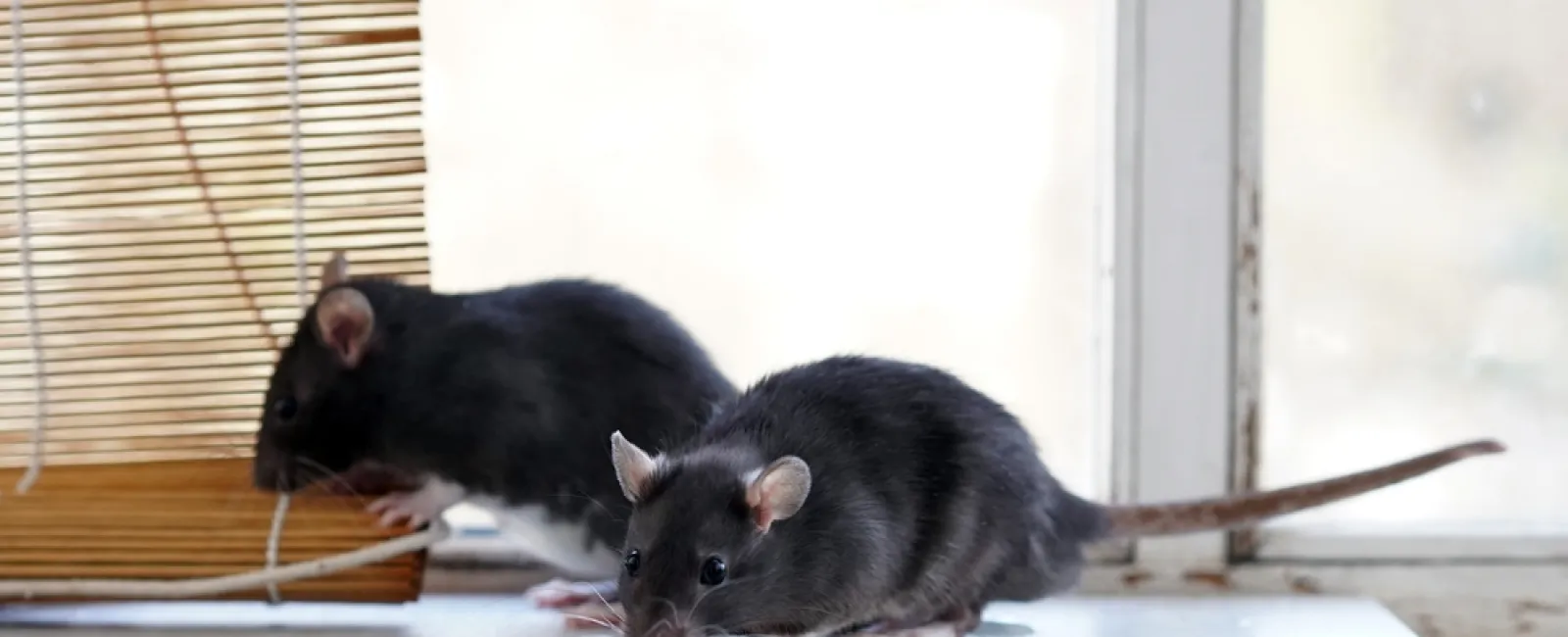
- Rodents: Drawn to food scraps, cluttered pantries, and even pet food. Mice and rats can gnaw through packaging and contaminate food with droppings and urine, posing serious health risks.
Pantry bugs don't just ruin food—they lay eggs in it. That means the longer they go unnoticed, the worse the problem can become.
Signs of Infestation
Detecting an infestation early can save you a lot of trouble. Common signs of a pantry pest infestation include:
- Dead insects
- Live insects
- Pest droppings
- Musty odors
Infested food items may also have holes or tunnels and emit a musty or unpleasant odor. Regularly inspecting your food items and pantry shelves can help you catch these signs early. If you notice any signs of infestation, immediately discard the infested food item and thoroughly clean the area with soapy water.
How Pantry Pests Invade Your Kitchen
Pantry pests are stealthy. Here's how they get in:
- Grocery Store Infestations: Sometimes they're already hiding in products when you bring them home.
- Cracked Packaging: Thin cardboard or plastic bags aren't enough to keep bugs out—or in. Thin food packages do not provide adequate protection against infestations; use airtight containers instead.
- Long-Term Storage: Forgotten bags of flour or old spices are prime real estate for bugs. Check inside opened packages for signs of webbing or contamination.
- Poor Pantry Maintenance: Spills, crumbs, and clutter make your pantry a pest paradise.
6 Easy Tips to Pest-Proof Your Pantry
Here's how to keep your kitchen pest-free and your food safe from sneaky invaders like moths, beetles, and ants. Ready to fight back? Follow these expert tips to keep your food safe and your pantry pest-free:
1. Use Airtight Containers
Transfer dry goods into sealed glass, metal, or heavy-duty plastic containers. Bugs can chew through bags, but these materials can keep unwanted pests out. Store foods like cornmeal, nuts, and dried fruits in airtight containers to prevent infestations. Properly sealed food storage containers are essential to keep bugs out and maintain the freshness of your dry goods. Ensure all dry goods are properly sealed to keep pests out.
2. Regular Inspections
Regularly inspect your pantry for signs of pests. Look for any damaged packaging or droppings that could indicate an infestation.
3. Cleanliness is Key
Perform a thorough cleaning of your pantry to eliminate food sources. This includes wiping down shelves and vacuuming any crumbs or debris. Wipe shelves, vacuum crumbs, and remove expired food. Even small spills can attract pantry pests.
4. Rotate Stock
Rotating stock helps keep dried foods fresh and safe from pests. Use older items first and place newer items at the back. The longer food sits, the more time pests have to find it.
5. Utilize the Freezer
Use the freezer to store certain foods and kill any hidden eggs or larvae. This is particularly effective for items like flour and grains. A quick freeze (3-5 days) can kill any hidden eggs or larvae in rice, flour, or oats.
6. Seal Cracks and Gaps
Seal any cracks and gaps in your pantry to eliminate food sources and prevent pests from entering food storage areas. This will help maintain a pest-free environment. Inspect pantry walls, shelves, and baseboards. Use caulk or weather stripping to close up pest entry points.
Pantry Organization
A well-organized pantry is your first line of defense against pest infestations. Regularly cleaning your pantry shelves and wiping down surfaces with a bleach or vinegar solution can help eliminate any lingering pests. Organizing food items by type and storing them in labeled containers can also help prevent cross-contamination and make it easier to detect signs of infestation. By keeping your pantry tidy and well-organized, you can significantly reduce the risk of pest problems.
When to Call a Professional
If you've seen flying moths or crawling bugs in your food, or you're dealing with a persistent pantry pest infestation, it's time to bring in the pros.
DIY methods can help, but many pantry pests hide in hard-to-reach places or lay eggs that can easily go undetected. At Valor Pest Solutions, we use family-safe, food-safe methods to eliminate pests at the source—and keep them out for good.
Protect Your Pantry With Valor Pest Solutions
Pantry pests are a pain, but prevention is entirely possible. With a little effort—and some regular expert help—you can keep your groceries safe and your kitchen clean. If you need help getting rid of food bugs, reach out to Valor Pest Solutions. Our team has your back. Contact us today for a pest inspection and customized treatment plan.
