

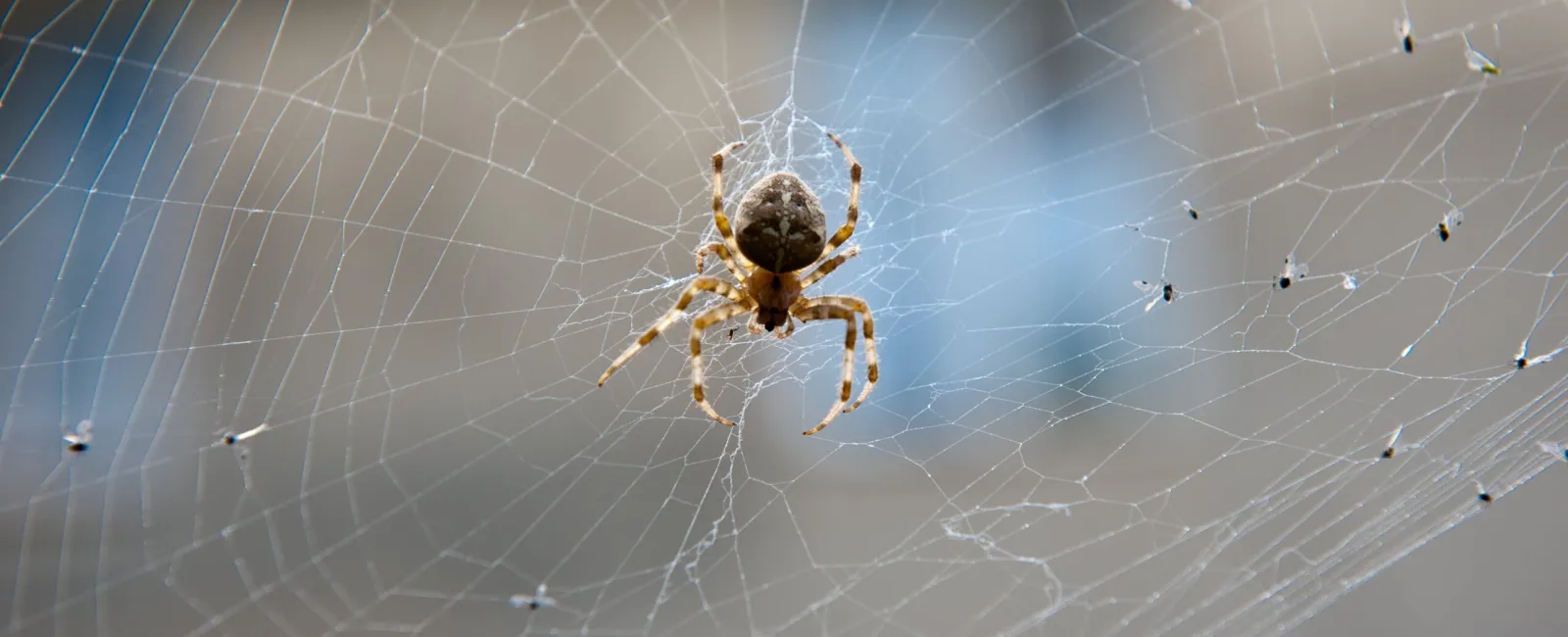
Creepy crawlies like spiders are a common problem for homeowners, especially during the fall when cooler temperatures drive pests indoors. While spiders can be beneficial in controlling other pest populations, most people prefer to keep these eight-legged nuisances outside where they belong.
At Valor Pest Solutions, we understand the need for you to enjoy your space free from unwanted visitors like spiders. But, to achieve a spider-free home, it's important to know about these pests—their behavior and habits. Knowing these things can go a long way in exterminating and preventing spiders.
Understanding Spider Behavior
To effectively keep spiders out of your home, it's important to first understand their behavior.
Spiders are drawn to warm, dark, humid spaces—areas that your home easily provides. Cluttered spaces, piles of clothing or papers, and dusty corners create ideal hiding spots for these eight-legged pests. Spiders tend to stay hidden during the day, often retreating to secluded areas like basements and attics. At night, they come out to hunt for insects.
Certain spider species, such as house spiders, cellar spiders, jumping spiders, and wolf spiders, are more common inside homes. These species are generally harmless but can still be a nuisance.
What Attracts Spiders to Your Home?
Several factors make your home attractive to spiders:
- Clutter: Piles of clothes, papers, or general household clutter offer spiders plenty of places to hide.
- Warmth and Humidity: Spiders are drawn to dark, humid areas like basements, bathrooms, and attics.
- Insects: Spiders are natural predators of insects, so if your home has other pest issues, you're likely to attract spiders.
3 Spider Prevention Tips
Regular cleaning, maintenance, and inspection are key to preventing future spider infestations.
1. Clean and Declutter
A clean and organized home is much less appealing to spiders. Regular cleaning and decluttering will not only remove spiders but also discourage them from returning. Consistent cleaning also helps eliminate spider eggs, preventing them from hatching and contributing to the spider population.
- Vacuum regularly: Pay special attention to corners, under furniture, and around baseboards where spiders like to hide.
- Dust frequently: Dust can attract insects, which in turn attracts spiders. Regularly wipe down surfaces, especially in areas where spiders are commonly found.
- Tidy up: Reducing clutter removes the hiding spots that spiders love. Organize piles of clothes, papers, and other items that might provide cover for spiders.
- Keep surfaces clean: Regularly wipe down surfaces, particularly in spider-prone rooms like basements and attics.
2. Seal Entry Points
One of the most effective ways to keep spiders out is to seal off any entry points they might use to enter your home.
Check your home for cracks and crevices around windows and doors. Use caulk or weatherstripping to seal these gaps. Not only will this keep spiders out, but it will also help with overall energy efficiency.
3. Regularly Inspect Your Home
Inspecting your home is a good general practice, but it can go a long way in pest prevention and pest control.
- Look for webs: Spider webs are an obvious sign of spider activity. Regularly check for webs in basements, attics, closets, and behind furniture.
- Inspect dark corners: Spiders like to hide in quiet, undisturbed areas. Be sure to inspect these places regularly.
Effective Spider Control
If you have a serious spider infestation or are dealing with dangerous species like black widows or brown recluse spiders, it's best to contact Valor Pest Solutions. Our spider control services are the best in the area. We know how to tackle any infestation, dangerous or otherwise.
Don't wait out an infestation! As the cold weather rolls in, your spider problem will likely get worse. Reach out today if you believe you are dealing with a spider infestation. Our technicians will work with you to develop a pest control plan that will eliminate your spider problem.
